Lifestyle
Unlocking the Secrets of Aroma Perception: How Space Environments Impact Taste and Nutrition
Researchers have discovered that the unique environment of space can significantly influence how astronauts perceive and experience the flavors of their food. By studying the effects of spatial perception on aroma detection, scientists aim to develop personalized dietary solutions to improve nutritional intake for those in isolated settings, from space explorers to nursing home residents.Uncovering the Surprising Link Between Space and Taste
Exploring the Influence of Spatial Perception on Aroma Intensity
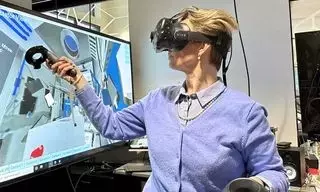
Researchers from the Royal Melbourne Institute of Technology (RMIT) in Australia have made a groundbreaking discovery: the confined and isolated environment of space can significantly impact how people perceive various aromas, which in turn affects their overall flavor experience. The study found that in a simulated space station setting, participants perceived vanilla and almond extracts as more intense, while the lemon scent remained unchanged.This phenomenon is believed to be linked to the presence of a sweet chemical called benzaldehyde, which is found in both the vanilla and almond extracts. The researchers suggest that the shift in aroma perception may be due to the unique spatial and sensory conditions experienced in space, where astronauts often report that their meals taste bland and they struggle to meet their nutritional needs.Unraveling the Complexities of Aroma Perception
The study, which involved a large sample size of 54 adults, also revealed that individual sensitivity to particular smells can influence perception. This highlights the importance of considering individual differences when investigating the impact of environmental factors on aroma and flavor experiences."What we're going to see in the future with the Artemis missions are much longer missions, years in length, particularly when we go to Mars, so we really need to understand the problems with diet and food and how crew interact with their food," said Gail Iles, a former astronaut instructor and co-researcher from RMIT School of Science.Addressing the Nutritional Challenges of Space Exploration
Despite being provided with carefully designed diet plans, astronauts have consistently reported that their meals taste bland and that they are not meeting their nutritional needs, which can be a significant concern for long-term space missions. This study builds on previous research that has explored the effects of weightlessness on astronauts' eating experiences, such as the fluid shifts and nasal congestion that can affect their sense of smell and taste."One of the long-term aims of the research is to make better tailored foods for astronauts, as well as other people who are in isolated environments, to increase their nutritional intake closer to 100%," said Julia Low, the lead author of the study from the RMIT School of Science.Personalized Dietary Solutions for Isolated Environments
The findings of this study have the potential to revolutionize the way we approach food and nutrition in isolated environments, not just for astronauts but also for individuals in nursing homes and other socially isolated situations. By understanding the complex interplay between spatial perception, aroma detection, and flavor experience, researchers can develop personalized dietary solutions to improve nutritional intake and overall well-being for those who face unique sensory and environmental challenges.The study, published in the International Journal of Food Science and Technology, represents a significant step forward in our understanding of the complex relationship between our senses, our environment, and our nutritional needs. As space exploration continues to push the boundaries of human endurance, this research could pave the way for more enjoyable and nourishing meals for astronauts, ultimately supporting their health and performance during long-duration missions.